
Unique NZ Home Designs That Help Slash Your Power Bills by 50%
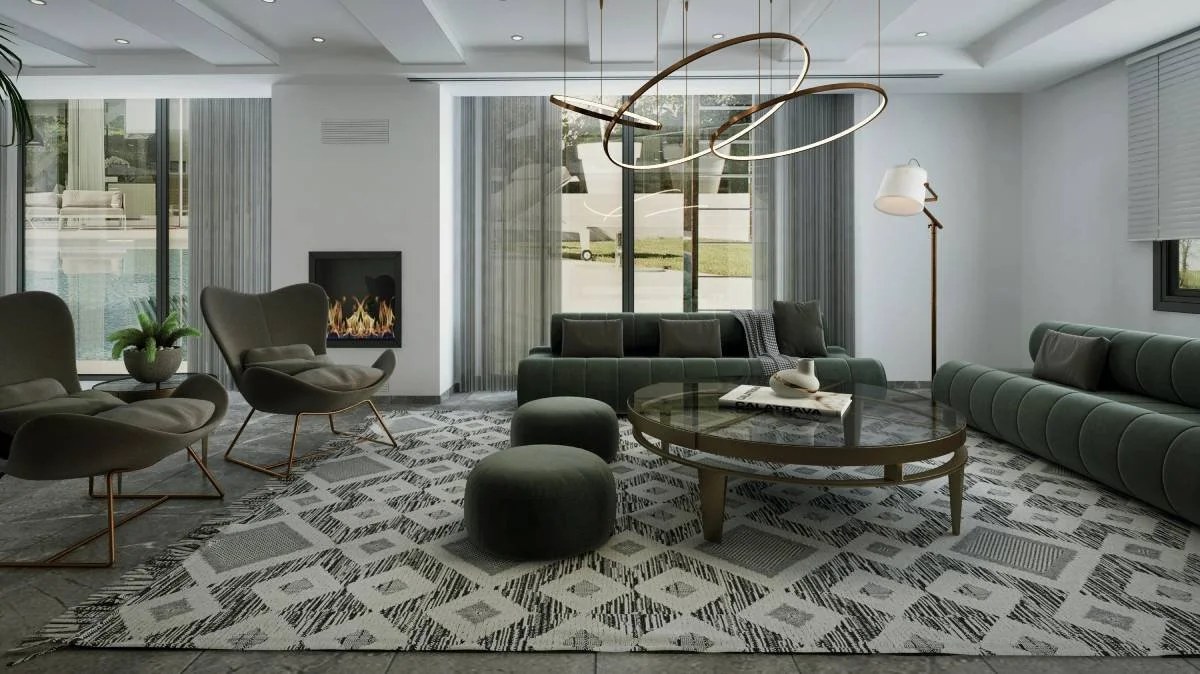
Power bills in Dunedin climb every winter, and some of this may be avoided when the right choices are made before the foundations are poured. In fact, heating alone accounts for around a third of household energy use across New Zealand.
The good news, though, is that genuinely energy-efficient home designs NZ homeowners can build today are well within reach. The right new home design pays you back for years. A house plan patched together later just drains your wallet. Getting it right from the start is what separates a dream home from a regret.
Quick Summary
The best energy-efficient home designs NZ builders deliver come down to four things. You need north-facing living areas, high-spec insulation and double glazing, thermal mass for solar heat storage, and careful ventilation. Together, these choices can cut heating energy needs by half or more compared with a standard new build. BRANZ research found that comparable houses without passive solar features used two to three times more heating energy than those designed properly. Otago winters are damp, and power prices keep climbing. For an environmentally responsive build, the design stage is your single biggest lever on running costs. It is also the most cost-effective.
Why Orientation Is Your First Important Decision
Site orientation does more for your power bill than any heat pump ever will. Aim to face your daytime living areas north, within about 20 degrees, so the low winter sun streams in for free. Bedrooms and utility rooms can sit on the south side of the floor plan.
According to BRANZ passive design research, good orientation paired with the right glazing and insulation can cut heating requirements by half or more. That makes orientation the foundation of any worthwhile home designs NZ owners build today. The gain costs nothing once you set the design.
You just need to think carefully about how the home sits on the section. This happens during the Design Consultation stage of the building process. Sloping sites need a different approach. Experienced home builders in Dunedin often rotate the floor plan or step the home down the contour. That way, you catch the sun that your section was always going to give. A few extra square metres of north-facing glass shift how the whole house design performs.
Insulation and Glazing That Work in Otago
Once orientation is sorted, compliance to building regulations must now be taken into account. The current H1 insulation requirements set by MBIE Building Performance are the legal minimum. Dunedin sits in Climate Zone 6, where going beyond the minimum pays off quickly.
Spec a high standard of ceiling and underfloor insulation. Add well-sealed framing and high-quality double glazing with thermally broken aluminium or uPVC frames. Together, they stop the heat you've spent on from leaking out overnight. South-facing glazing should stay modest because that wall is a net heat loser in winter.
How Thermal Mass Stores Free Heat
Thermal mass is the part most modern home designs miss, and it's what separates a warm passive home from a cold one. Dense materials like concrete slabs, brick interior walls, and tiled floors absorb heat during sunny hours. They release it slowly through the evening. That smooths out temperature swings without anyone touching a heater.
A polished concrete floor in the north-facing living room is the classic example. It does real work even on grey days. Any diffuse natural light that reaches it is enough to warm the slab. Without thermal mass, solar gain captured through good orientation just escapes again as soon as the sun drops.
Size the mass to match the area of the north glazing. That's why the design needs to balance both elements from the start.
How Ventilation and Layouts Hold Heat Without Trapping Moisture
A tightly built home is an efficient home, but it has to breathe. Without proper ventilation and a smart floor plan, careful insulation traps moisture. Cooking, showers, and breathing all lead to condensation. Unchecked, mould can undo any comfort gains.
The fix sits in the layout decisions made early.
Here are the design moves that keep warmth in and damp out:
Cross-flow window placement. Opposing windows on different walls flush stale air through in minutes. This is the cheapest ventilation strategy in any new home design.
Ducted balanced ventilation. A heat-recovery system feeds fresh air in while reclaiming warmth from outgoing air, which earns its keep in airtight builds.
Wet areas placed for direct extraction. Bathrooms and laundries on external walls keep duct runs short and get moist air out before it migrates into bedrooms.
Compact, open-plan floor plans. Smaller homes use less energy because there's less volume to heat. Small home designs and tiny home designs work especially well here, and a small home suits a small space without feeling cramped.
A purpose-built home office. Good home office design on a north-east corner picks up morning sun. You stay comfortable, so working from home doesn't mean running a heater all day.
Family-home zoning. A well-zoned family home separates active and quiet areas, so you only heat the rooms in use.
Once the layout is sound, other energy-efficient home features round out the running-cost picture. Think LED lighting, efficient heat pumps, and smart thermostats.
Choosing Energy-Efficient Home Designs
So, who actually delivers home designs NZ buyers can rely on for energy performance? Plenty of pre-designed homes still treat performance as an afterthought. Some builders drop the same floor plan onto any section, regardless of orientation. That's the gap between architecturally designed homes NZ buyers are increasingly asking for, and a kitset that ignores its surroundings.
Buyers looking at design and build homes want one that responds to the site, the climate, and the way they live. Your Way Home offers 20 customisable home designs across compact, family, and premium ranges. One in-house team delivers them all. That team brings building experience and interior designer input together.
The team reviews each plan against the section before construction while ensuring that the orientation works with the glazing layout. A Fixed-Price Quote locks in before the Building Consent stage. You know exactly what the build will cost. Smart design bakes long-term savings on power into new home designs that owners actually want to live in.
Build a Home That Pays You Back
Cutting power bills by half is not a gimmick. It comes from getting orientation, insulation, glazing, thermal mass, and ventilation right at the design stage.
Smart home designs NZ buyers commission today work with the climate rather than against it.
Book a consultation to discuss energy-efficient design specific to your budget and your section, and we'll be happy to walk you through.
References
Howden-Chapman, P., Viggers, H., Chapman, R., O’Dea, D., Free, S., & O’Sullivan, K. (2009). Warm homes: Drivers of the demand for heating in the residential sector in New Zealand. Energy Policy, 37(9), 3387–3399. https://doi.org/10.1016/j.enpol.2008.12.023 https://www.sciencedirect.com/science/article/abs/pii/S0301421508007647
BRANZ. (n.d.). Energy efficiency. https://www.branz.co.nz/energy-efficiency/
Level (BRANZ). (n.d.). Key features of designing a home with passive design. https://www.level.org.nz/passive-design/
Ministry of Business, Innovation and Employment. (n.d.). H1 Energy efficiency. https://www.building.govt.nz/building-code-compliance/h-energy-efficiency/h1-energy-efficiency/
