
Home Construction Terms: A Kiwi's Guide to Building Jargon
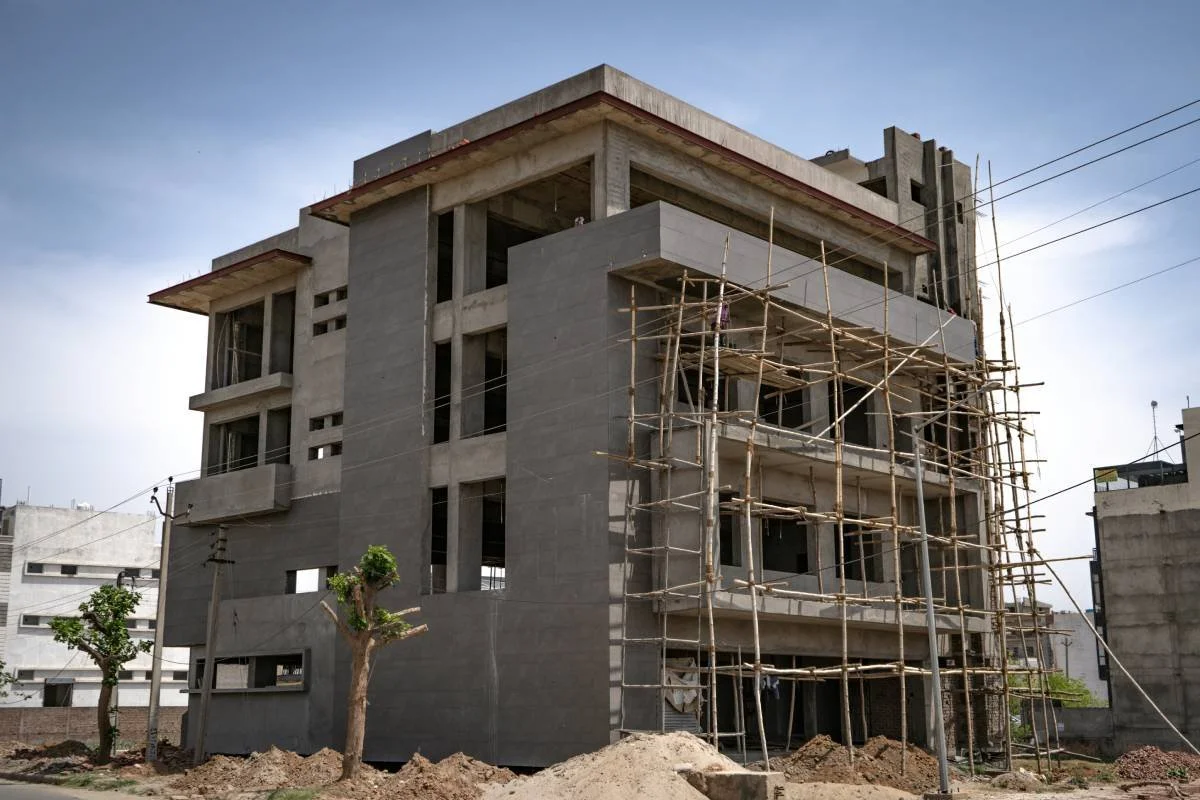
You're sitting across from your builder. They mention "dwangs," "flashings," and "the CCC." You nod along, but inside you're wondering if they've switched to another language. If this sounds familiar, you're not alone.
First-time home builders often face confusing jargon. During the new construction home buying process, these unfamiliar terms can feel like a barrier between you and your dream home.
The good news? Once you understand what these terms mean, conversations with your builder become clearer. The whole home construction process starts making sense.
At Your Way Home, we believe informed clients make the best decisions. That's why we've put together this plain-English guide to home construction terms you'll encounter when building in New Zealand. We've organised them by stage, so you can find what you need when you need it.
Before You Break Ground: Planning Terms
Before any building work begins, you'll encounter planning and approval terms. Understanding these early gives you peace of mind throughout your project.
Building Consent
This is official approval from your local council (the Building Consent Authority), allowing construction to begin. Your builder submits approved plans and specifications to obtain this. In Dunedin and across New Zealand, no significant building work can legally start without one.
Resource Consent
While building consent covers how you build, resource consent covers where and what you build. If your project affects neighbours, the environment, or doesn't comply with your district plan, you may need resource consent. Building closer to a boundary than permitted might trigger this requirement.
Building Code
The Building Code sets minimum performance standards all New Zealand building work must meet. It covers structural stability, fire safety, moisture control, and energy efficiency. The code specifies what finished buildings must achieve, allowing flexibility in building materials and construction methods while ensuring safety.
Geotech Report
This document, prepared by a licensed engineer, assesses ground conditions on your site. It tells your builder what foundations your home needs based on soil type, groundwater levels, and potential ground movement risks. Dunedin has flat Taieri Plains and steep hillside sections. A geotech report is essential for getting foundation design right in these varied conditions.
The Structure Goes Up: Framing Terms
Once consent is granted and groundwork begins, you'll hear terms related to building structure. This is when your home takes shape.
Foundations
Foundations transfer your home's weight into the ground, keeping it stable and level. Types vary depending on your site, including concrete slabs for flat sections or pile foundations for sloping sites.
Piles
Piles are vertical supports, often concrete or timber, driven into the ground. People commonly use these on sloping sections where ground conditions require extra support. They carry loads from the building to stable ground below.
Timber Frame
Most New Zealand homes use timber frame construction. This creates a skeleton of wooden structural members that supports wall and ceilings throughout the home. Studs, plates, and beams form the basic structure to which everything else attaches.
Bottom Plate
The bottom plate is the horizontal piece of timber at the base of a wall frame, resting on the floor or foundation. It anchors vertical studs and forms each wall section's bottom edge.
Dwang (Noggin)
A dwang, also called a noggin, is a short horizontal piece of timber fitted between studs. Dwangs add rigidity to the wall frame and provide fixing points for items like shelving, towel rails, or heavy mirrors.
Load-Bearing Wall
A load-bearing wall supports weight from above, whether roof framing, upper floors, or other structural elements. Removing one requires careful engineering because it carries critical loads. Non-load-bearing walls simply divide spaces and can be altered more easily.
Lintel
A lintel is a horizontal member spanning the top of a window or door opening. It carries loads from above and transfers them to studs on either side.
Truss
Trusses are pre-fabricated triangular frameworks, typically timber, that support your roof. They span large distances without needing internal walls for support, allowing open-plan living areas.
Keeping Weather Out: Envelope Terms
The building envelope separates the inside from the outside. Getting this right is crucial for a warm, dry, healthy home, especially in Dunedin's climate.
Building Envelope
This refers to your home's exterior weather-resistant surface, including roof, walls, windows, and doors. A well-designed building envelope keeps moisture out, retains heat, and protects interior spaces from damp conditions.
Cladding
Cladding is your walls' external covering and first defence against the weather. Common options in New Zealand include weatherboards, brick veneer, fibre cement sheets, and various modern panel systems. Your choice affects both appearance and performance.
Flashing
Flashings are metal strips installed at joints and junctions to direct water away from vulnerable areas. You'll find them around windows and doors, where roofs meet walls, and where different building materials meet. Proper flashing is essential for weathertightness.
Damp Proofing
Damp proofing prevents moisture from entering through foundation walls and floors. This typically includes membrane barriers beneath concrete slabs and along foundation walls.
Eaves
Eaves are roof edges overhanging walls below. Generous eaves provide shade from summer sun, shelter walls from rain, and direct water away from the building. In Dunedin's climate, well-designed eaves make a real difference.
Soffit
The soffit is the underside of eaves, the horizontal surface you see when looking up at the roof overhang. Soffits often include ventilation for airflow into roof spaces, helping manage moisture and temperature.
Finishing Touches: Interior Terms
As construction progresses, you'll hear terms related to the interior fit-out. This is where your house starts to feel like a home.
Wall Linings
Wall linings are interior wall surfaces, typically plasterboard (also called GIB board). They're fixed to the timber frame, providing smooth surfaces for painting or wallpapering.
Architrave
An architrave is decorative moulding framing interior windows or doors. It covers gaps between wall linings and frames, giving a clean, finished appearance.
Skirting
Skirting boards run along the wall bases where they meet floors. They protect walls from scuffs and knocks while covering any gaps between the wall and the flooring.
The Final Stages: Completion Times
As your build nears completion, these terms become relevant. They relate to inspections, compliance, and official handover.
Code Compliance Certificate (CCC)
The CCC confirms your completed building meets the building code and matches approved plans. Your local council issues this after final inspections. Without it, your home isn't officially signed off as compliant. Obtaining your CCC is one of the most important milestones in any building project.
Working with a registered master builder ensures all work meets the standard required for CCC sign-off. Learn more about Master Builders in New Zealand and why their credentials matter.
Practical Completion
Practical completion means you can consider your home essentially finished and ready to live in. Minor touch-ups may still remain at this stage. Your builder will walk through the property with you to identify items needing attention before final handover.
Defects Liability Period
After handover, there's usually a 12-month period during which your builder fixes any defects that emerge. This is your safety net for issues appearing during normal use.
Working with Builders Dunedin NZ Families Trust: People Terms
Here are terms related to the people you'll work with during your building project.
Registered Master Builder
A registered master builder meets industry standards for quality, financial stability, and experience. Their homes come with a 10-Year Master Build Guarantee, providing protection long after construction is complete.
Licensed Building Practitioner (LBP)
Licensed Building Practitioners have demonstrated competence in specific building areas. Certain critical work must be carried out or supervised by an LBP. This licensing system ensures the most important parts of your home are built correctly.
Project Manager
The project manager coordinates all aspects of your build, from scheduling trades to ordering materials and managing timelines. At Your Way Home, we handle project management in-house, so you have one point of contact throughout. Learn more about our building process.
Why Understanding These Home Construction Terms Matters
This knowledge removes much of the uncertainty from the process. Whether you're considering a build or renovation, you'll feel less overwhelmed. The Citizens Advice Bureau recommends that you read and understand your building contract thoroughly before signing. Knowing these terms helps you do exactly that.
For first-home builders especially, understanding the new home construction process removes the guesswork. Want to learn more about the financial side of building? Our guide to the cost of building a new home breaks down the numbers in the same plain-English style.
Build with Confidence
Building shouldn't feel like learning a foreign language. Download our Plain English Building Glossary, or ask our team to explain any terms you're unsure about. We're here to make the process clear and accessible.
Because informed clients make the best decisions.
At Your Way Home, we earn trust as dependable builders for families in Dunedin, NZ — as new home builders Dunedin families trust. We help first-time home builders at every step, whether you're looking at an entry-level home like Edith or a 123sqm Earl plan. We offer fixed-price contracts, transparent communication, and over 50 years of combined experience. Building your first home with us is straightforward.
Get in touch to start the conversation.
